Check, Clean, Dry
How Wild Swimmers Can Help Stop the Spread of Invasive Species
As more and more people discover the physical and mental health benefits of entering outdoor waters in the UK our impact on those environments increase. We have a shared responsibility to protect those places not just for yourselves but for future generations and nature itself.
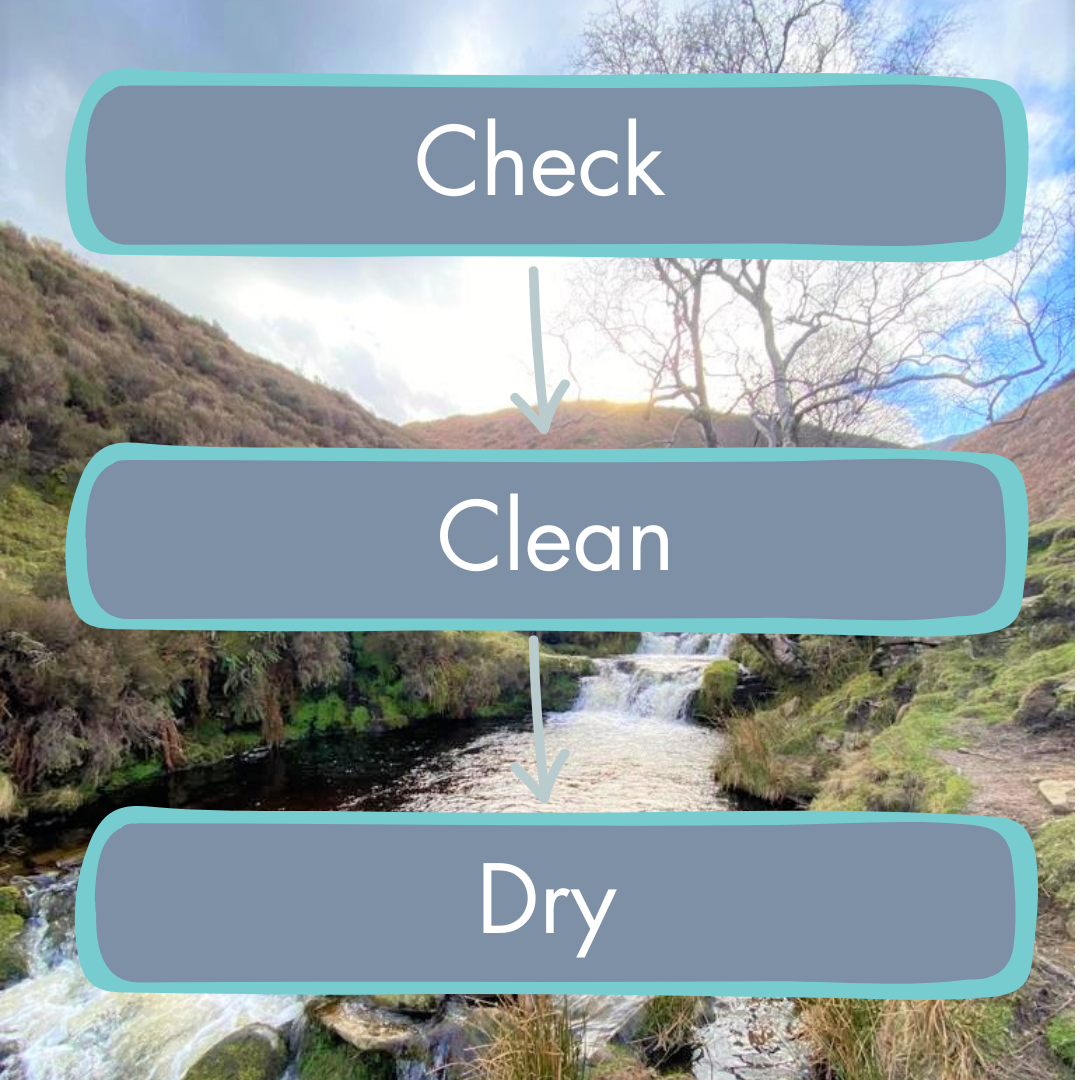
Every time we move between different swimming locations, we risk unintentionally transporting invasive non-native species, harmful diseases, and microscopic organisms that can damage fragile freshwater ecosystems. Fortunately, preventing their spread is simple. By following the Check, Clean, Dry protocol after every swim, outdoor swimmers can play a vital role in protecting the waters they love.
What Are Invasive Non-Native Species?
Invasive non-native species are plants, animals, fungi, or microorganisms that have been introduced outside their natural range and cause harm to native wildlife, habitats and ecosystems. Unlike native species that have evolved alongside local ecosystems, invasive species often have few natural predators and can carry pathogens harmful to native species. This allows them to spread rapidly, outcompete native plants and animals, and alter entire aquatic environments.
Many invasive species are incredibly resilient. Tiny fragments of aquatic plants, microscopic algae, larvae, eggs, or pathogens can survive for days—or even weeks—on wet clothing and equipment.
For wild swimmers, this means that something as simple as moving a damp wetsuit or tow float from one lake to another could unintentionally introduce an unwanted visitor.
How Wild Swimmers Can Spread Invasive Species
While boats, paddleboards, kayaks, and fishing equipment are often highlighted as potential carriers, swimmers can also transport invasive species.
Swim kit that could harbour aquatic organisms include:
Wetsuits
Swim shoes and neoprene boots
Tow floats
Goggles and swim caps
Gloves and socks
Changing mats
Dry bags
Changing robes
Towels
Waterproof phone pouches and cameras
Mud, sand, plant fragments, and standing water trapped inside equipment can all carry invasive species between locations. Even if equipment looks clean, microscopic organisms may still be present.
What Does Check, Clean, Dry Mean?
The Check, Clean, Dry protocol is a simple biosecurity routine that helps prevent the spread of invasive species.
Check
Before leaving the water, carefully inspect all your equipment.
Look for:
Mud and silt
Aquatic plants
Seeds
Snails or other small animals
Algae
Standing water trapped in equipment
Remove anything you find and leave it at the site where it came from. Never transport plants or animals to another location.
Don't forget to check the soles of swim shoes, the folds of wetsuits, tow float straps, and the inside of dry bags.
Clean
Wash all equipment thoroughly using fresh, clean water as soon as possible after your swim.
Pay particular attention to:
Wetsuit seams
Swim shoes
Tow float valves
Zips
Buckles
Changing mats
Towels
If possible, use warm water to help remove mud, organic material, and any organisms that may be clinging to your equipment.
Cleaning isn't just good for biosecurity—it also helps prolong the life of your swimming gear and prevents it from smelling like a rotten bog.
Dry
Some invasive species can survive surprisingly long periods in damp conditions. A wetsuit stored in the boot of a car overnight may still provide enough moisture for microscopic organisms to remain alive. Giving your equipment enough time to dry completely between swims is one of the simplest and most effective ways to break this chain of transmission.
Drying should include:
Inside and outside of wetsuits
Tow float exterior and interior
Swim shoes
Towels
Bags
Changing robes
If your equipment is still damp, there's a greater chance that unwanted organisms could survive the journey to your next swim.
If you’re planning to swim in more than one location in a day try and take fresh swim kit with you to each location. Alternatively, if you’re swimming or dipping in the same river catchment make sure you work your way downstream throughout the day. Species are slower to make their own way up a river catchment than hitching a lift on you or your cozzie. If you’re switching between coastal and freshwater environments within a day, the risks of spreading non-natives becomes lower as freshwater and saltwater organisms have evolved to live in their unique water type. However, it’s good practice to make sure you leave any unwanteds behind at whatever location you’ve used.
Why Biosecurity Matters for Wild Swimmers
Wild swimmers often visit multiple locations throughout the year. One weekend might involve a river swim, the next a reservoir, followed by a lake or coastal dip. Each journey between locations increases the opportunity for invasive species to spread unless equipment is properly cleaned and dried.
By following Check, Clean, Dry, swimmers help:
Protect native wildlife
Preserve water quality
Reduce the spread of aquatic diseases
Protect biodiversity
Support conservation efforts
Keep favourite swimming spots healthy for future generations
Make Check, Clean, Dry Part of Your Routine
The easiest way to remember the protocol is to make it part of every swim.
After leaving the water:
Inspect your equipment before packing it away.
Remove mud, plants, or debris at the site.
Wash everything with fresh water when you get home.
Allow all equipment to dry completely.
Avoid using damp equipment at another swimming location.
These simple habits take only a few extra minutes but make a significant contribution to protecting aquatic environments.
Small Actions Make a Big Difference
Wild swimmers have a unique connection with nature. We enjoy clean rivers, peaceful lakes, and thriving ecosystems, and we all have a role to play in protecting them. Following the Check, Clean, Dry protocol is one of the simplest and most effective conservation actions any swimmer can take. Every clean wetsuit, every dried tow float, and every carefully checked pair of swim shoes helps reduce the spread of invasive non-native species.
Together, we can help ensure that the places we love to swim remain healthy, biodiverse, and beautiful for generations to come.