Bloomin’ Blue Green Algae
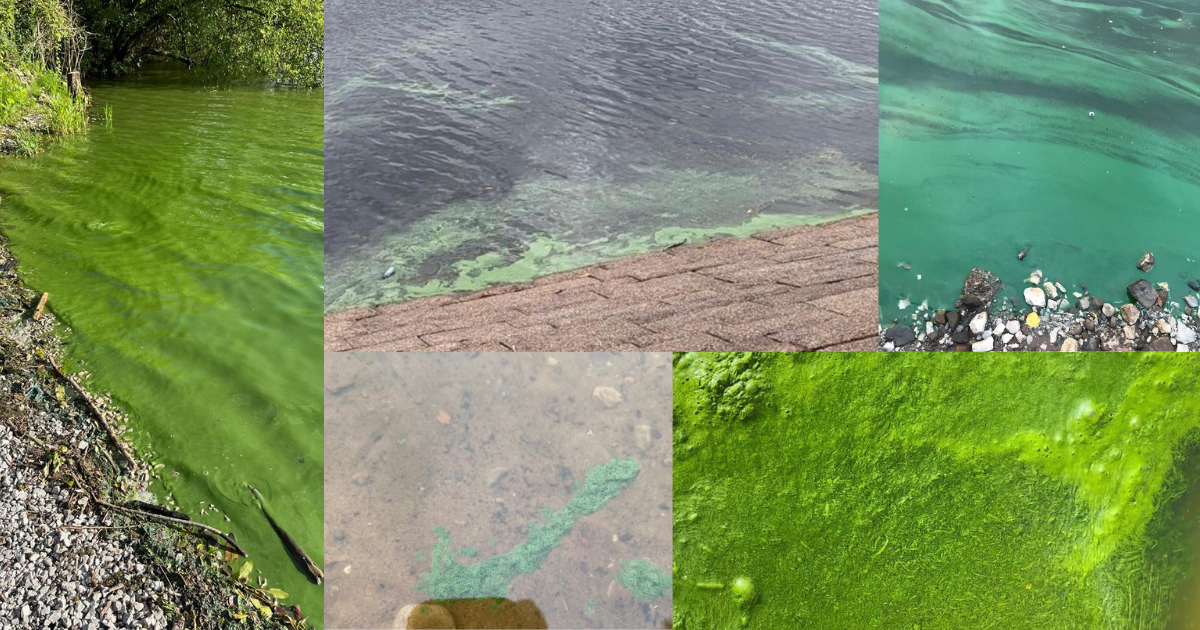
Blue Green Algae (BGA), a term able to put the fear in most outdoor swimmers and dog owners. As the weather warms up, warmer temperatures can encourage the growth of BGA in many a swim spot. Usually occurring in lakes, reservoirs and occasionally rivers and the sea, BGA can pose health risks to swimmers, paddlers and other water users. Knowing how to recognise it and what to do if you encounter it can help you stay safe while enjoying outdoor waters.
What Is Blue-Green Algae?
Despite its name, blue-green algae is not actually an algae. It is a type of bacteria called cyanobacteria that naturally occurs in freshwater and marine environments. Under the right conditions, these bacteria can multiply rapidly, forming what is known as an algal bloom.
Some blooms produce toxins that can be harmful to people, pets and wildlife. There are 1000’s of different types of BGA, whilst some can release toxins and cause illness or irritation, some don’t, and reactions between people will vary. Without a simple method to test the type of BGA it’s sensible to take a precautionary approach if you spot it at your swim spot.
Where Is It Most Likely to Occur?
Blue-green algae is most commonly found in:
Lakes and reservoirs
Slow-moving rivers and canals
Ponds
Sheltered areas of open water
Blooms are more likely to develop during:
Warm, sunny weather
Periods of little wind
Water with high nutrient levels, particularly phosphorus and nitrogen from agricultural runoff or sewage
Late spring through early autumn, although they can occur at other times
Blooms often accumulate along shorelines or in sheltered bays where the wind has pushed them. In large bodies of water blooms may be present in specific areas only, leaving the rest of the water body safe to swim.
What Does It Look Like?
Blue-green algae can vary in appearance. It may look like:
Green paint spilled on the water
Thick pea soup
A blue-green, turquoise or bright green scum
Brownish or reddish streaks
Floating mats or clumps
Fine green particles suspended in the water
As blooms die off, they may produce an unpleasant earthy or musty smell.
Not every green body of water contains blue-green algae, but if the water looks unusually cloudy, discoloured or has surface scum, it is safest to stay out.
How Can It Affect Swimmers?
Contact with blue-green algae can cause a range of health problems. The severity depends on the type of cyanobacteria present, whether toxins are being produced, the amount of exposure and whether you are more prone to illness or irritation (due to a lowered immune system or underlying health conditions for example).
Possible symptoms include:
Skin and Eye Irritation
Swimmers may experience:
Itchy or irritated skin
Rashes
Red eyes
Ear irritation
These symptoms often develop within hours of exposure.
If Water Is Swallowed
Accidentally swallowing of BGA contaminated water may lead to:
Nausea
Vomiting
Diarrhoea
Stomach cramps
More Serious Effects
Exposure to high concentrations of certain toxins from BGA can affect the liver or nervous system, although this is uncommon in recreational swimmers. Anyone who develops severe symptoms after swimming should seek medical advice promptly.
Children and dogs are generally at greater risk because they are more likely to swallow water while swimming.
How to Reduce Your Risk
Before swimming:
Check for local water quality updates and warnings from local swim groups.
Avoid water that appears discoloured, scummy or has floating mats.
Consider your own risk profile e.g. subdued immune system.
While swimming:
Keep your head above water where possible.
Avoid swallowing water.
Do not swim through visible blooms or surface scum.
After swimming:
Shower as soon as possible using clean water.
Wash swimwear thoroughly.
Rinse wetsuits and equipment.
If you experience skin irritation, wash the affected area with clean water.
If You Think You've Been Exposed
If you develop a rash, eye irritation or stomach upset after swimming in water where blue-green algae may have been present:
Wash thoroughly with clean water.
Monitor your symptoms.
Seek medical advice if symptoms are severe, persistent or worsen.
Tell the healthcare professional that you have recently been swimming in freshwater where blue-green algae may have been present.
Protect Your Pets
Dogs are especially vulnerable because they often drink from lakes and rivers and may lick algae from their fur after swimming. Blue-green algae poisoning can be fatal in dogs.
If you see signs of an algal bloom, keep dogs well away from the water and prevent them from drinking from affected lakes, reservoirs or rivers.
Stay Safe and Enjoy Open Water
BGA is a natural part of many freshwater environments, but harmful blooms require extra caution. By checking local conditions, recognising the warning signs and avoiding suspicious-looking water, you can significantly reduce your risk of illness while continuing to enjoy open water safely.
Always remember Swim your own Swim. If a swim doesn’t feel right for you that day, stay out and stay safe. The water will always be there.